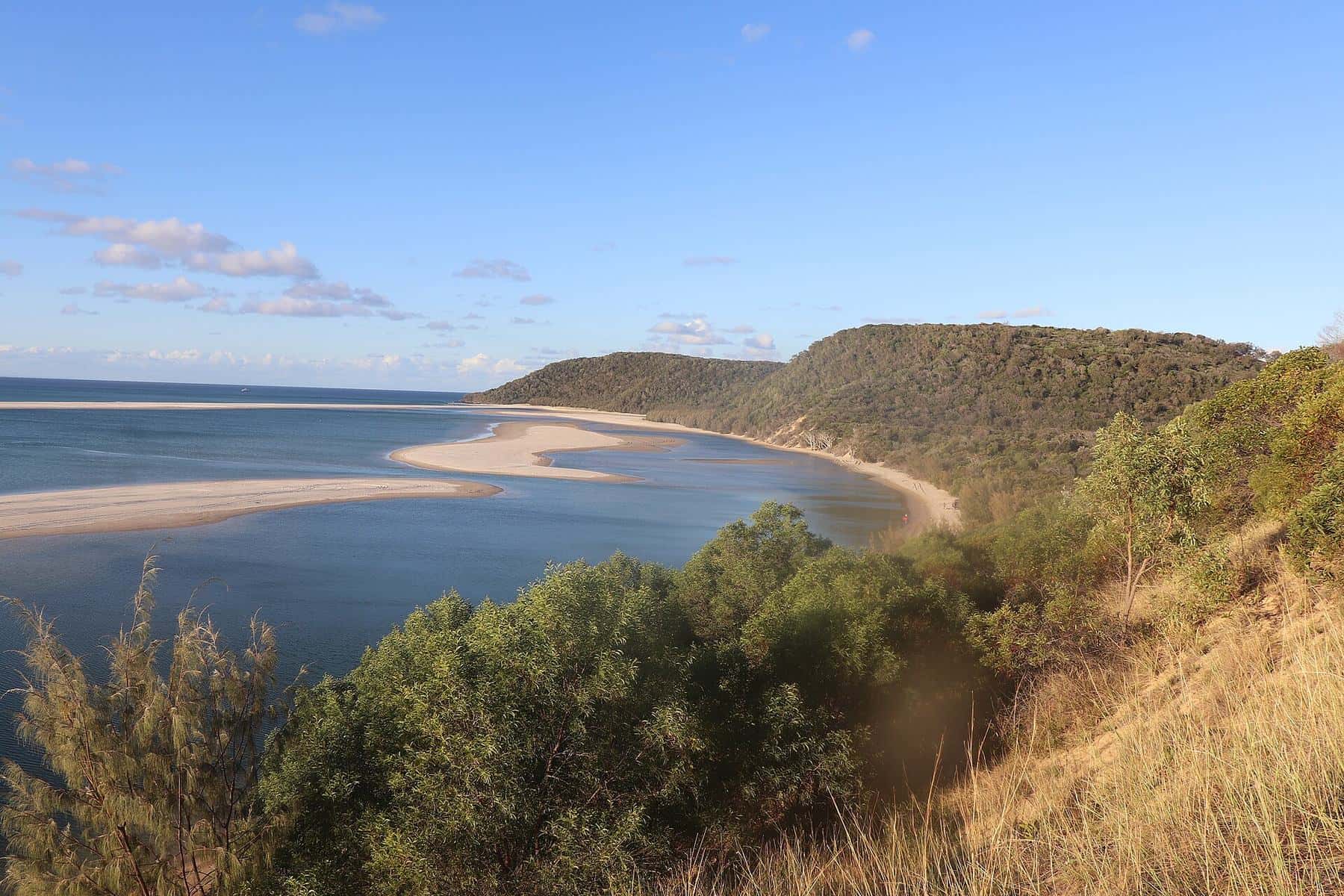
Rainbow Beach is a small town with a long list of things to do, most of them outdoors. The key is matching what you want with the tide, the weather and your vehicle. This hub groups the main activities and links to our detailed guides.
Walks and lookouts
- Carlo Sandblow. The essential short walk, about 600 metres through forest from the car park on Cooloola Drive to the open sand. It is best at sunrise or sunset. Guide.
- Coloured sands beach walk. Walk south along the beach from the surf club at low tide, past rocks and freshwater seeps, to the tallest cliffs. Guide.
- Double Island Point lighthouse. A short but steep 2.2-kilometre return walk, about an hour, with 360-degree views from K’gari to Noosa. Guide.
- Lake Poona. A forest walk from the Bymien picnic area to a 12-hectare perched lake. Guide.
- Cooloola Great Walk. Serious hikers can tackle the full 102-kilometre walk to Noosa North Shore, or just the first section to Lake Poona.
On and under the water
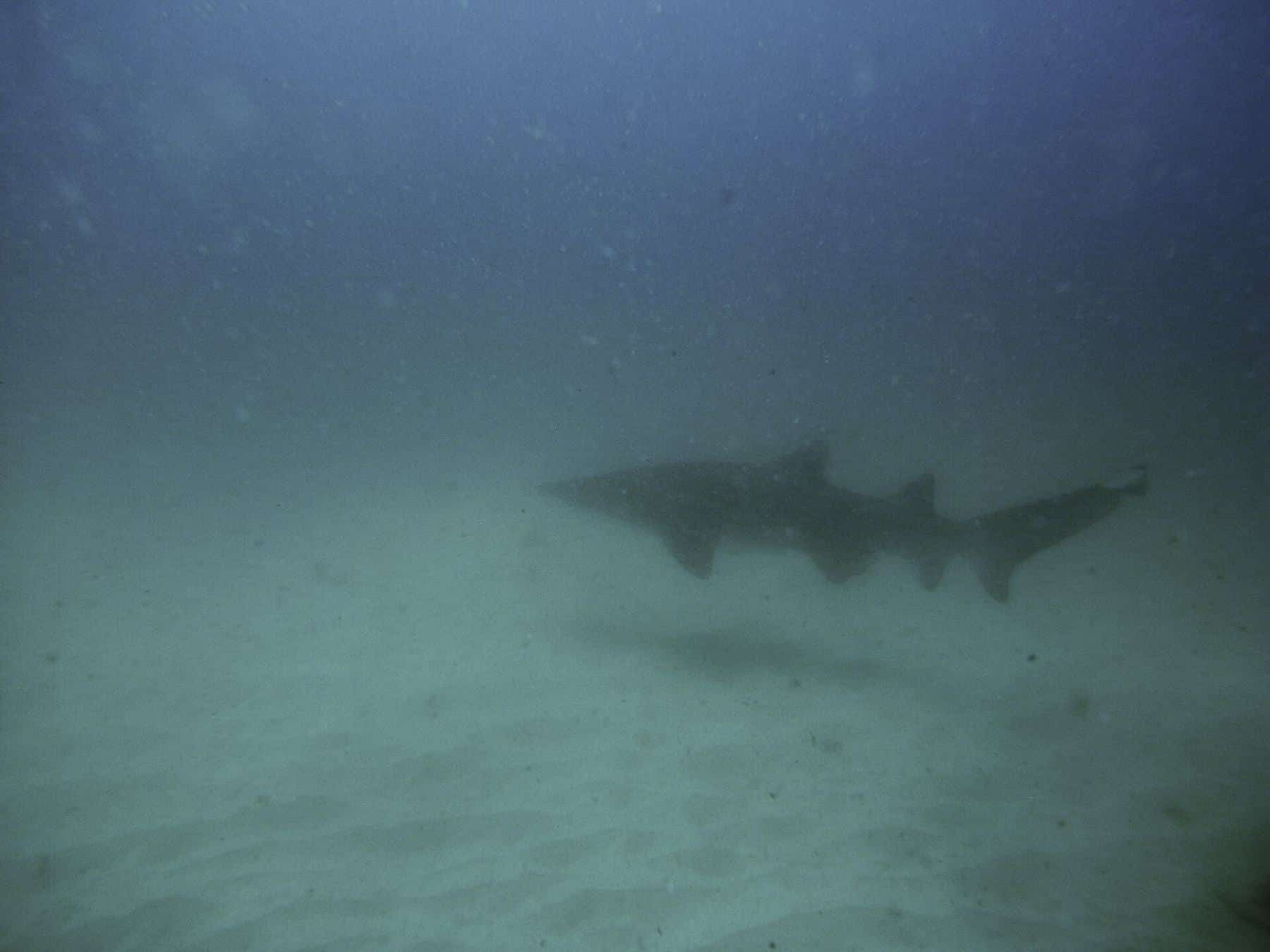
- Diving Wolf Rock. A cluster of volcanic pinnacles off Double Island Point, known for grey nurse sharks, rays and turtles. It is for experienced, certified divers with a local operator. Guide.
- Surfing. Double Island Point has a long right-hand point break that works best in larger south-east swells. The main beach suits learners, and local surf schools run lessons.
- Kayaking with dolphins. Commercial operators run guided sea kayak trips off Rainbow Beach and Double Island Point, where dolphins and turtles are often seen.
- Swimming. Swim at the patrolled beach in front of the surf club, or in the calm lagoon at Double Island Point. Remember there are no lifeguards away from town.
- Fishing. Beach fishing for tailor, whiting and dart is popular along the Cooloola beaches and at Inskip. Tin Can Bay and the Great Sandy Strait are excellent for boat fishing. The area is within the Great Sandy Marine Park, so check zoning maps and Queensland fishing rules.
Wildlife
- Tin Can Bay dolphins. Wild Australian humpback dolphins visit the foreshore most mornings, and a supervised feeding program has run there for decades. Guide.
- Whale watching. Humpback whales pass the coast on their annual migration, broadly June to November. Watch from the lighthouse or join a boat tour from Hervey Bay or Tin Can Bay.
- Birdwatching. Inskip Point and the strait attract shorebirds, and beach stone-curlews are seen at Inskip. The Cooloola forests are home to many species, including the noisy pitta.
Adventure
- 4WD tours. Guided tours run from Rainbow Beach to Double Island Point and to K’gari. They are a good choice if you are new to beach driving.
- Self-drive beach trips. With your own 4WD and a QPWS vehicle access permit, you can drive the beach to Double Island Point or the full length to Noosa North Shore. Read beach driving first.
- Skydiving, paragliding and hang-gliding. Rainbow Beach is known for tandem skydives onto the beach and for paragliding and hang-gliding off the coloured cliffs when the wind is right. Book with a licensed operator.
- Horse riding. Guided beach and bush rides have operated around Rainbow Beach. Check current operators with the visitor centre.
Choosing by time and tide
Beach-driving tide window
Enter the time of low tide from the official tide tables. QPWS advises driving within about two hours either side of low tide.
Start driving after
8:30 am
Low tide
10:30 am
Be off the beach by
12:30 pm
A planning aid only. Swell, wind and soft sand can make the beach unsafe even inside this window, and Mudlo Rocks is often impassable even at low tide. Always check QPWS park alerts and use your own judgement.
At low tide go to the coloured sands, drive the beach or walk to Double Island Point. At high tide go to Carlo Sandblow, Lake Poona or Tin Can Bay. Early morning is best for the dolphins and for sunrise at the sandblow. Late afternoon is ideal for sunset at Carlo Sandblow.
Responsible fun
Leave no trace, take rubbish home and never feed wildlife, including wongari (dingoes) and dolphins outside the supervised program. Respect vehicle-free zones, keep to the speed limits on the beach and give way to people on foot. Operators and park rules change, so confirm bookings, permits and conditions before you set out.
Guides in this section
Frequently asked questions
What is Rainbow Beach famous for?
Rainbow Beach is best known for its coloured sand cliffs, Carlo Sandblow, beach driving to Double Island Point, diving with grey nurse sharks at Wolf Rock and its position as the southern gateway to K’gari.
What can you do at Rainbow Beach on a rainy day?
Drive to Tin Can Bay for the foreshore and cafés, walk the rainforest tracks to Lake Poona, which are pleasant in light rain, or take a guided 4WD tour if conditions allow. Check park alerts after heavy rain, as tracks may close.
Is Rainbow Beach good for families?
Yes. The patrolled main beach, the short walk to Carlo Sandblow, the dolphins at Tin Can Bay and calm-water swimming at Inskip and the Double Island Point lagoon all suit families. Supervise children closely near dingoes and in the surf.
When can you see whales from Rainbow Beach?
Humpback whales migrate along the Queensland coast in the cooler months, generally from about June to October or November. Double Island Point and the lighthouse are good vantage points.
Sources and further reading
Facts on this page were checked against these primary and official sources. Conditions change — confirm before you travel or buy.
- Cooloola Recreation Area, Great Sandy National Park — Queensland Parks and Wildlife Service
- Grey nurse sharks — Great Sandy Marine Park — Queensland Parks and Wildlife Service
- Humpback whales — Australian Government DCCEEW